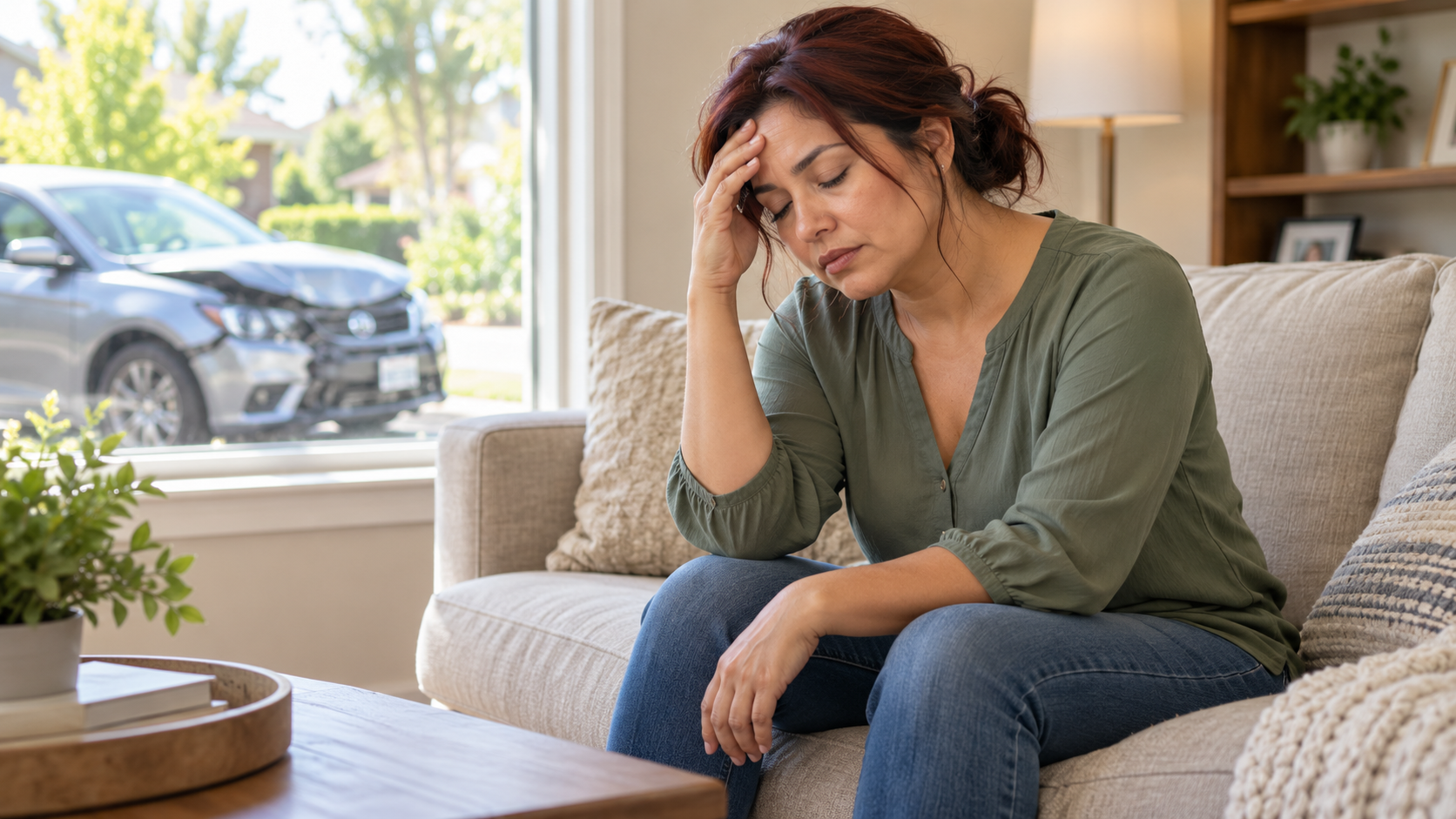
Fatigue After a Car Accident: Why You May Feel Tired
Fatigue after a car accident may feel like unusual tiredness, low energy, sleepiness, or difficulty completing everyday tasks. Pain, disrupted sleep, stress, medications, and changes in activity can contribute, but fatigue can also accompany a concussion or another injury requiring medical attention. New or worsening drowsiness after head trauma, especially with confusion, repeated vomiting, or difficulty waking, requires emergency evaluation.
Why Am I So Tired After a Car Accident?
People may feel exhausted after a collision for several reasons, including:
- Pain and muscle guarding: Ongoing discomfort can demand attention and interfere with restorative sleep.
- Sleep disruption: Injury-related pain or emotional stress may make it hard to fall or stay asleep.
- Concussion or head injury: Fatigue and changes in sleep or concentration can occur after a traumatic brain injury.
- Medication side effects: Certain medicines can cause drowsiness or reduced alertness.
- Stress and routine changes: Emotional distress, fewer usual activities, and disrupted schedules may contribute.
- Other medical conditions: Blood loss, systemic illness, and conditions unrelated to the collision may also cause exhaustion.
For more about overlapping symptoms, read full body soreness after a car accident and delayed pain after a car accident. The timing of tiredness alone cannot identify its cause.
When Is Fatigue After a Crash a Warning Sign?
Call emergency services or seek emergency care for unusual sleepiness following head injury together with difficulty waking, increasing confusion, repeated vomiting, seizure, worsening severe headache, slurred speech, or new weakness or numbness. Severe shortness of breath, chest pain, fainting, uncontrolled bleeding, or rapidly worsening illness also warrant emergency evaluation.
Fatigue that persists, worsens, or prevents normal function deserves medical assessment even without emergency signs. Do not assume every symptom is simply part of recovery.
Can a Concussion Cause Fatigue After a Car Accident?
Yes. People with concussion may experience tiredness, headache, light sensitivity, dizziness, sleep changes, or trouble concentrating, even without losing consciousness. But these symptoms are not specific to concussion, and suspected head injury should be evaluated by an appropriate medical professional.
Related reading includes headaches after a car accident, dizziness after a car accident, memory problems after a car accident, and difficulty concentrating after a car accident.
Can Poor Sleep and Car Accident Pain Make You Feel Exhausted?
Yes. Neck, back, shoulder, or hip pain may interrupt sleep or make comfortable positions difficult. Stress and changes in routine can add to sleep disruption. See sleep problems after a car accident and difficulty sleeping after a car accident for related symptoms.
Persistent discomfort such as back pain after a car accident may also affect daytime energy. A clinician can help identify which symptoms require further medical investigation and which musculoskeletal concerns might be appropriate for rehabilitation.
Is Fatigue the Same as Muscle Weakness?
No. Fatigue is a sense of low energy or exhaustion. Weakness refers to reduced muscle strength or difficulty producing normal force. Sudden or new one-sided weakness after an accident requires urgent medical evaluation. Learn about weakness after a car accident rather than interpreting a neurological warning sign as simple tiredness.
Can Fatigue Start a Day or Two After a Car Accident?
Yes. Pain, poor sleep, medication effects, and other symptoms may become more noticeable over time. However, fatigue emerging after possible head trauma should be considered alongside changes in attention, memory, headache, nausea, or balance. Read nausea after a car accident when these symptoms appear together, and seek medical guidance for new or worsening complaints.
How Is Persistent Fatigue After a Crash Evaluated?
A medical professional may ask when tiredness began, how much sleep you are getting, whether medications changed, whether the head was injured, and whether there are symptoms such as dizziness, weakness, shortness of breath, or bleeding. Depending on the history and examination, further testing or referral may be necessary. Fatigue is a symptom with many possible causes, so no single test applies to everyone.
Use questions to ask a personal injury care provider and medical documentation after injury to prepare a concise timeline of symptoms and their effect on daily life.
Is It Safe to Work, Exercise, or Drive When You Feel Tired?
Do not drive or operate dangerous equipment when drowsiness, slowed reactions, dizziness, vision changes, or medication effects impair alertness. See difficulty driving after a car accident for safety considerations.
Return to work and physical activity should follow the nature of the diagnosed injury and medical advice. For non-emergency musculoskeletal injuries, gradual activity may be appropriate, but forcing exercise through significant unexplained fatigue is not advisable. Related guidance includes returning to activity after an injury and home exercise safety.
Can Chiropractic Rehabilitation Help With Accident-Related Fatigue?
Chiropractic rehabilitation does not replace medical assessment of fatigue, concussion, blood loss, or other systemic illness. Once urgent or underlying medical concerns have been addressed, T98 Rehab may evaluate separate musculoskeletal pain or movement restrictions that contribute to poor sleep or reduced daily function. An individualized rehabilitation care plan can outline appropriate functional goals, with recovery milestones reviewed as care progresses.
When to Contact T98 Rehab in Austin
If medical concerns have been appropriately assessed but neck, back, or movement-related symptoms persist, T98 Rehab can evaluate whether conservative musculoskeletal rehabilitation is appropriate. Learn when to see a chiropractor after a car accident and how to choose an auto accident chiropractor in Austin. Suspected concussion or other serious medical causes of fatigue must be assessed first.
Frequently Asked Questions
Is it normal to feel tired for days after a car accident?
Some people feel tired after a collision because of pain, poor sleep, stress, and changes in daily routine. There is no universal normal duration; persistent or worsening fatigue should be evaluated.
Can I be exhausted after a car accident without hitting my head?
Yes. Poor sleep, musculoskeletal pain, medications, and stress may contribute even when no head impact is recalled. However, a concussion can occur without an obvious direct head strike.
Does feeling tired after a crash mean I have a concussion?
Not necessarily. Fatigue has multiple potential causes. New tiredness with headache, confusion, memory problems, vomiting, or dizziness after trauma warrants medical assessment.
Should I sleep more if I’m feeling fatigued after an accident?
Sleep needs vary. Follow medical advice, particularly after a suspected head injury. Unusual drowsiness or difficulty waking after trauma is an emergency warning sign.
Should I see a chiropractor for fatigue after an accident?
Fatigue itself should be medically evaluated when significant or persistent. Chiropractic care may be considered for separate musculoskeletal injuries after urgent concerns have been excluded.
Related T98 Rehab Resources
- Sleep Problems After a Car Accident
- Weakness After a Car Accident
- Difficulty Concentrating After a Car Accident
Sources
MedlinePlus — Fatigue, U.S. National Library of Medicine.
Centers for Disease Control and Prevention — Signs and Symptoms of Concussion.
Centers for Disease Control and Prevention — Traumatic Brain Injury.
Medical Disclaimer
This article is intended for general education and is not an individual diagnosis or substitute for professional medical or emergency care. T98 Rehab does not provide emergency services or guarantee recovery outcomes. Seek immediate medical evaluation for difficulty waking, new neurological changes, severe headache, repeated vomiting after head injury, chest pain, breathing difficulty, or fainting.